You can know boarding school is coming and still be surprised by everything it asks of your family. For Margaret Brock, who grew up with distance education and boarding herself, becoming the parent making those decisions was a very different experience.
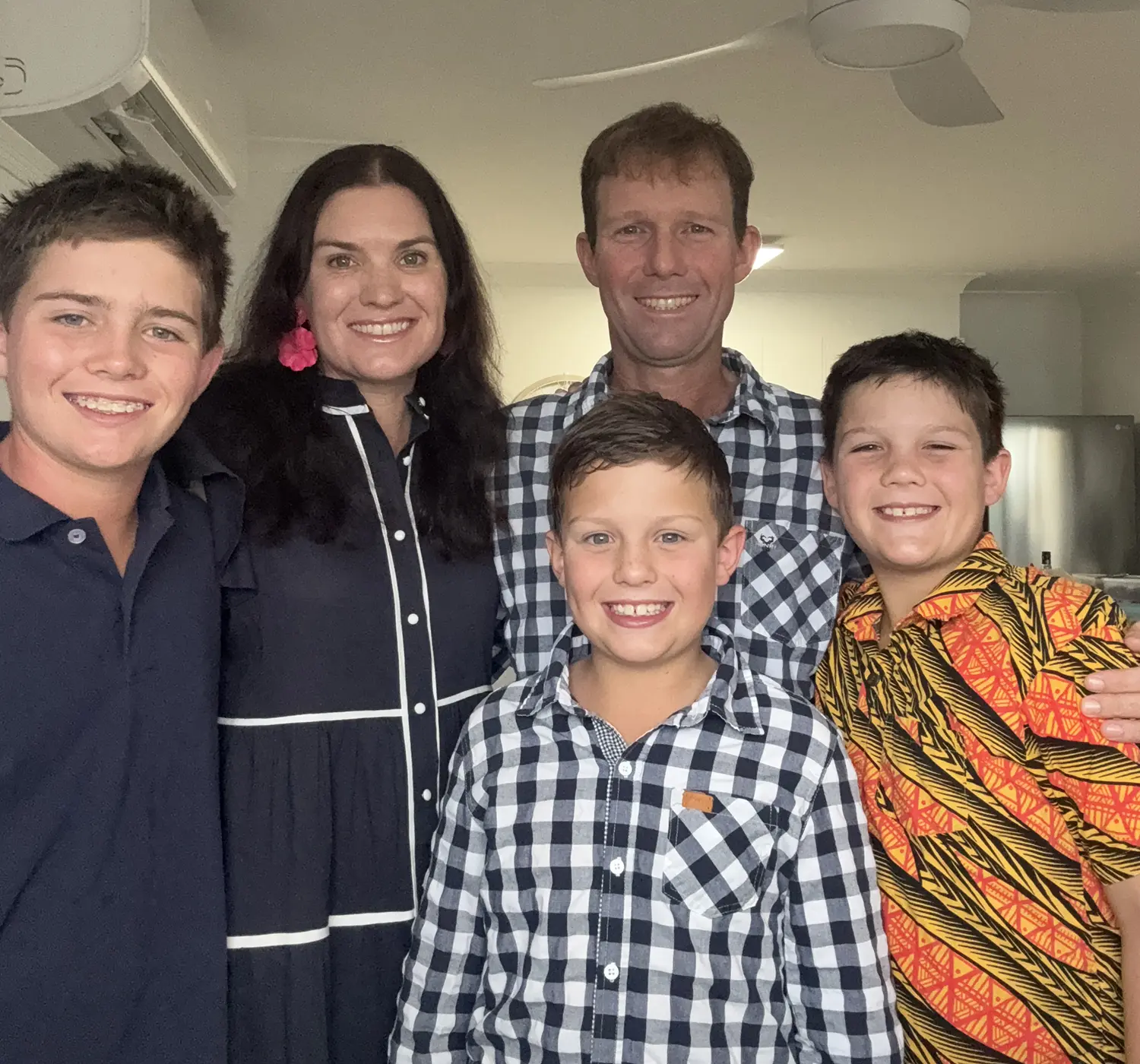
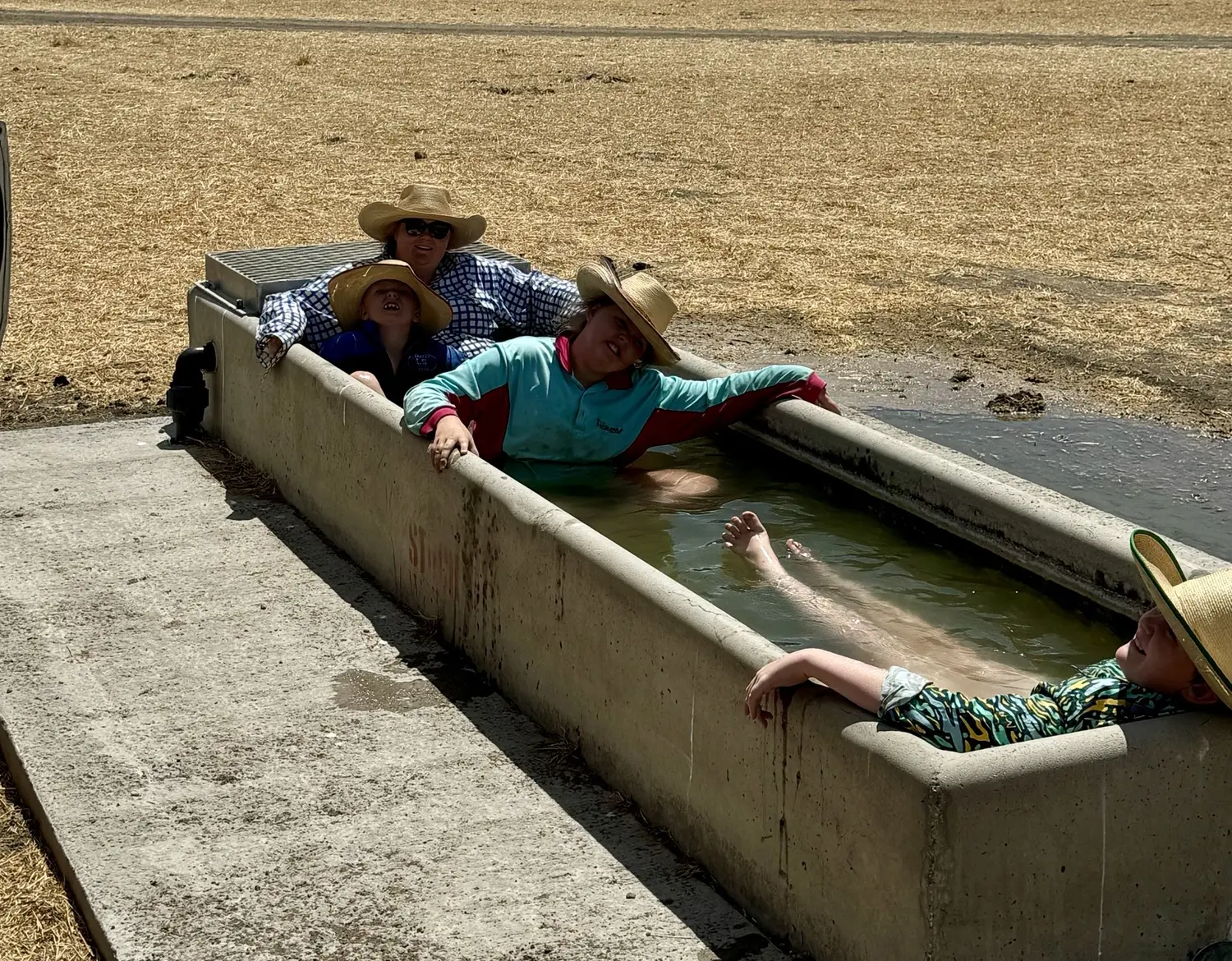
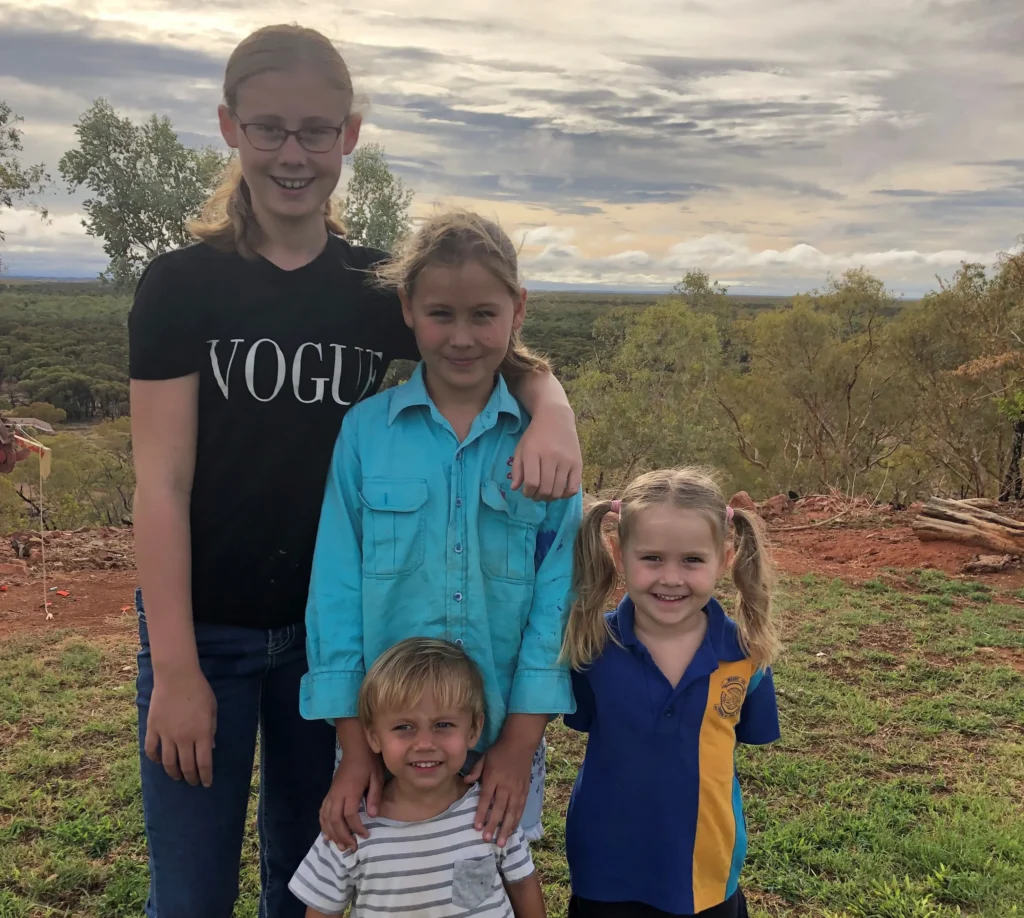
Margaret and her husband Damien run a small business and live on a cattle property 100 kilometres from Mount Isa. All four children have undertaken their primary schooling through distance education. For their family, boarding is the pathway to a face-to-face secondary education.
In this episode of Letters from Home, Margaret shares what she wishes she had understood when she first began researching schools. With a new baby and a daughter in Year 5, boarding still felt some way off. Her sister-in-law knew how quickly scholarship deadlines could approach and kept encouraging her to begin. Financial support would ultimately help determine which school her eldest attended.
But finding a place is only part of preparing a remote child for boarding. A child educated at home may be unfamiliar with raising a hand in class, studying independently or following a timetable set by someone outside the family. They may be comfortable talking with adults, yet have had fewer opportunities to navigate everyday disagreements with other children.
Margaret talks thoughtfully about those adjustments, including the discovery that everyone in a year group won’t become a friend. Her advice includes introducing your child’s background to their teachers, talking through boarding routines beforehand, and listening calmly when difficult phone calls come.
We also discuss researching learning support and different educational pathways, the challenge of finding quiet space in boarding, and why Sports for Bush Kids helps remote children build confidence before trying out for school teams.
With one daughter studying nursing, another finishing Year 12 and two younger children still at home, Margaret brings experience from several stages of the journey. This is a practical, honest conversation for parents researching boarding and for the schools welcoming children whose everyday lives have looked very different.
 Apple Podcasts
 Spotify