

For any parent, sending a child to boarding school asks for a considerable leap of faith. But when your child has a disability, there can be another layer to that decision. Who will help with the little things you have always quietly helped with at home? Will they know when to ask for help? Will they be understood and accepted? And perhaps hardest of all…can you trust someone else to step in when you are no longer just down the hallway?
These were some of the questions Heidi Shoecraft carried when her daughter Maia left their home near Theodore in Central Queensland to begin boarding school.
Heidi’s own journey to rural Australia began thousands of kilometres away in Denmark. She arrived here as a 19-year-old agricultural exchange student in 2001, was placed on a cattle property near Theodore and, at a local barbecue, met the man who would become her husband, Derek.
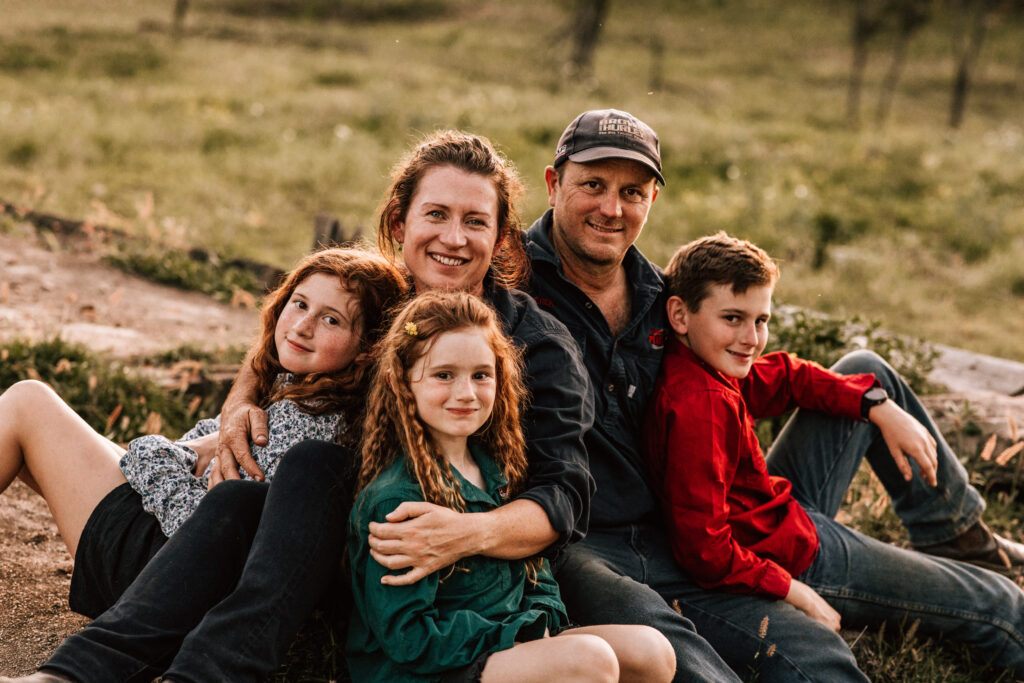
Twenty-five years later, Australia is home. Together they have three children, run cattle, Shoecraft’s Plant Hire and Theodore Quarry, while Heidi also operates an exercise physiology clinic in town.
That career was inspired, in part, by Maia.
Maia was born with mild cerebral palsy affecting the left side of her body. Raising her in a small rural community opened Heidi’s eyes to the difficulties families can face accessing health professionals and therapies. Ultimately, Heidi returned to university for seven years, completing her Master of Exercise Physiology and bringing some of that much-needed expertise back to her own community.
But when the time came to consider secondary education, boarding school offered Maia access to something else too.
There were the educational opportunities and friendships, but also regular athletics training, specialist coaching and the chance to pursue a very big dream…competing at the Paralympics.
That didn’t make sending her away easy.
Heidi worried about everyday things many of us barely notice. Maia sometimes needs help with tasks requiring two hands, from doing her hair to making a bed. There were conversations with the school before she arrived and, importantly, the family listened when Maia said she wasn’t ready to leave in Year 8. She waited until Year 9.
Perhaps most importantly, Maia is learning to ask for help when she needs it and discovering just how much she can do herself.
Heidi’s message to other families is a powerful one. Talk to schools. Ask the questions. Explain what your child needs and don’t automatically assume a disability closes the door on boarding.
Because sometimes boarding school isn’t another obstacle for a child with additional needs.
Sometimes it is the thing that opens the door wider.
 Apple Podcasts
 Spotify