


Do you remember when body image came into your consciousness? I do. It was in Year 10, just before the school formal. My body had changed without me taking any notice to it, suddenly I was in front of a mirror, dressed in something that was not my everyday clothes, and it became very real.
I was 16, but I look back on high school years and I know that body image started a lot earlier for some. For girls, wearing makeup, tween fashion, (the phase wear girls aged 9-14 go through the phase of ‘finding themselves’), playing sport, and honing a skin routine to beat acne become worries that won’t go away and often get worse over time.
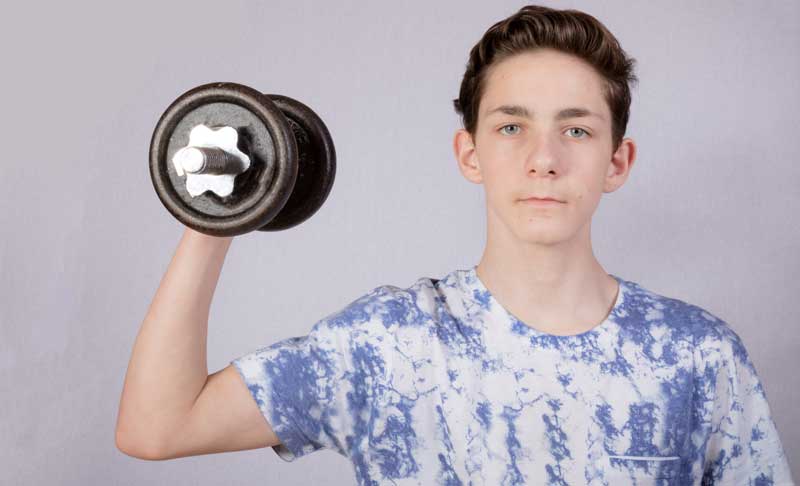
This is not a gender issue. ‘Male body-image has tripled in the last 25 years, from 15% of the population to 45%’ per the Australian Psychological Society. Three areas that teenage boys typically focus on are; 50% care about gaining muscle, 33% strive for thinness and muscularity, 15% only care about thinness. Heard the term “bulking up”, well 90% of teen boys who exercise do so with the goal of bulking up, which is ok, until it’s not.
But why, and at what cost?
It’s the age old saying “Beauty sells”. It doesn’t matter your gender. For teen girls, Dolly and Cosmo are no longer to blame with “thin-ideal media” models and actresses. One only needs to log on to Instagram and be overwhelmed with the unrealistic photos of bloggers, influencer, celebrities etc. Teasing and bullying about weight and appearance, and others’ body talk, can negatively affect your child.
The effect can be profound. Body dysmorphia, eating disorders (including extreme exercising), steroids and diet pills, withdrawal, moodiness, anxiety and depression are all signs and symptoms associated with negative body image. If your child is acting differently, we recommend seeking information and support from medical professionals.
A simple exercise to help your child beat body issues
Getting on top of worrying thoughts before they snowball, and changing them to be more helpful ones is a great place to start.
- If an event, occasion, activity is worrying your child; first get them to write down their thoughts about it. For example: ‘I am not going to look good at the formal, I’ve got braces and acne’.
- Talk together about whether the thoughts are helpful or unhelpful. For example, “How do you know you are not going to look good?”
- Work on finding some thoughts that are more helpful. For example, “You’ve got a beautiful dress / suit and great dance moves so you are going to have so much fun”
- Summarising changed thinking: “I’m worried about looking good at the formal. Hey, I’m not going to look bad, I’ve got a new outfit, I love dancing, and I’m sure others also feel some nervousness, so I’m just going to have as much fun as I can with my friends.”
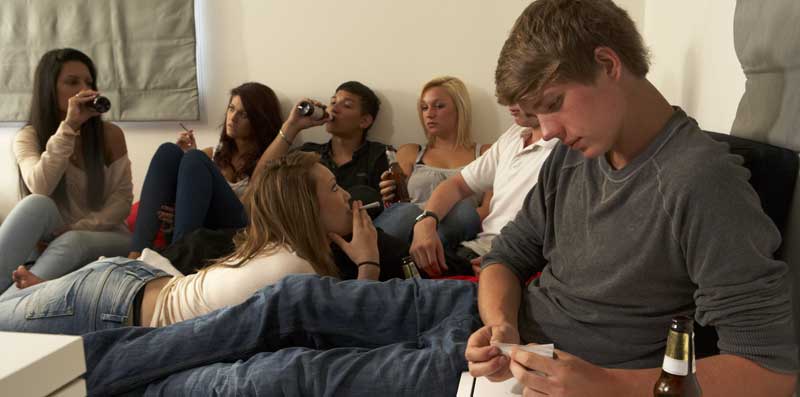
There is a high likelihood your teen will be exposed to drugs and alcohol in their high school years. There is a good chance that they will try these. Why? It’s available, they’re risk-takers, they feel alienated, their friends, or those they idolise are doing it.
Confronting?!? As a mum, who formerly worked in the advertising industry, it was always something I knew was coming. How? Well one only needs to watch the popular TV show “Mad Men” to get an idea.
Separately Anna Wood, an Australian teenager died in 1995 (when my children were nearing boarding school age) after collapsing into a coma due to water intoxication, after taking an ecstasy tablet at a rave. We learnt that her friends were too scared to tell her parents what Anna had taken and so time elapsed, the result was a life destroyed, a family devastated.
So, my weapon of choice is acknowledgement. Not denial.
I used the times when driving my children back to school, in a fast-moving car, to talk about the hairy issues including; the birds and the bees, parties, alcohol, drugs etc. My children couldn’t escape. It was perfect.
Now, they were certainly not saints. But through this exercise they learnt to trust me, and I trusted them. It meant they felt comfortable to tell me where they were going, a party, a park etc. Who they were with, specifically names of friends. What they were up to, and yes unfortunately there were times that my kids were at music festivals (but that is something that happened more in university years back then) or doing things I didn’t feel at all comfortable about. But they told me. For me that meant knowing that if they had done something risky, that I could manage that risk, in the event that it became dangerous. I also discussed with them how to manage the risk.
My approach may not be for everyone, that is ok. Here are some suggestions for you to ensure that your children are not at risk.
- Talk to your children about the bad side effects and detrimental effects of substance use.
- Purchase “Anna’s Story” and read it together so that you can talk about it as confronting things come up.
- Explain how drugs, alcohol and cigarettes give a temporary good feeling while ruining their health.
- If they want to try a hand at drinking or smoking, make him/her do it in your presence. Let them experience things but only under your supervision and in your presence.
Meg Bennett
Mother of two former boarders; Henry (27) and Charlotte (30)