

Do you remember when body image came into your consciousness? I do. It was in Year 10, just before the school formal. My body had changed without me taking any notice to it, suddenly I was in front of a mirror, dressed in something that was not my everyday clothes, and it became very real.
I was 16, but I look back on high school years and I know that body image started a lot earlier for some. For girls, wearing makeup, tween fashion, (the phase wear girls aged 9-14 go through the phase of ‘finding themselves’), playing sport, and honing a skin routine to beat acne become worries that won’t go away and often get worse over time.
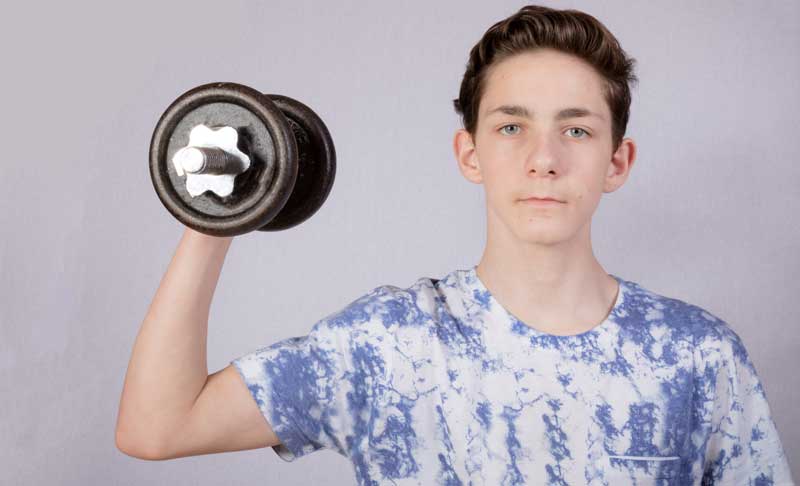
This is not a gender issue. ‘Male body-image has tripled in the last 25 years, from 15% of the population to 45%’ per the Australian Psychological Society. Three areas that teenage boys typically focus on are; 50% care about gaining muscle, 33% strive for thinness and muscularity, 15% only care about thinness. Heard the term “bulking up”, well 90% of teen boys who exercise do so with the goal of bulking up, which is ok, until it’s not.
But why, and at what cost?
It’s the age old saying “Beauty sells”. It doesn’t matter your gender. For teen girls, Dolly and Cosmo are no longer to blame with “thin-ideal media” models and actresses. One only needs to log on to Instagram and be overwhelmed with the unrealistic photos of bloggers, influencer, celebrities etc. Teasing and bullying about weight and appearance, and others’ body talk, can negatively affect your child.
The effect can be profound. Body dysmorphia, eating disorders (including extreme exercising), steroids and diet pills, withdrawal, moodiness, anxiety and depression are all signs and symptoms associated with negative body image. If your child is acting differently, we recommend seeking information and support from medical professionals.
A simple exercise to help your child beat body issues
Getting on top of worrying thoughts before they snowball, and changing them to be more helpful ones is a great place to start.
- If an event, occasion, activity is worrying your child; first get them to write down their thoughts about it. For example: ‘I am not going to look good at the formal, I’ve got braces and acne’.
- Talk together about whether the thoughts are helpful or unhelpful. For example, “How do you know you are not going to look good?”
- Work on finding some thoughts that are more helpful. For example, “You’ve got a beautiful dress / suit and great dance moves so you are going to have so much fun”
- Summarising changed thinking: “I’m worried about looking good at the formal. Hey, I’m not going to look bad, I’ve got a new outfit, I love dancing, and I’m sure others also feel some nervousness, so I’m just going to have as much fun as I can with my friends.”