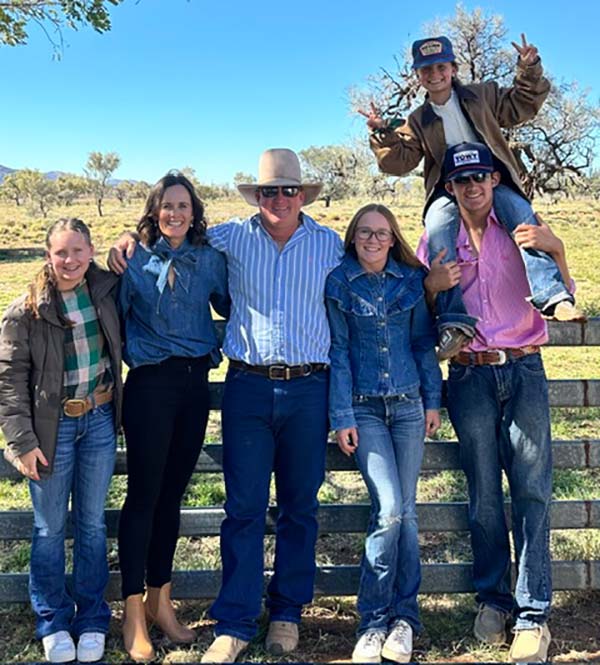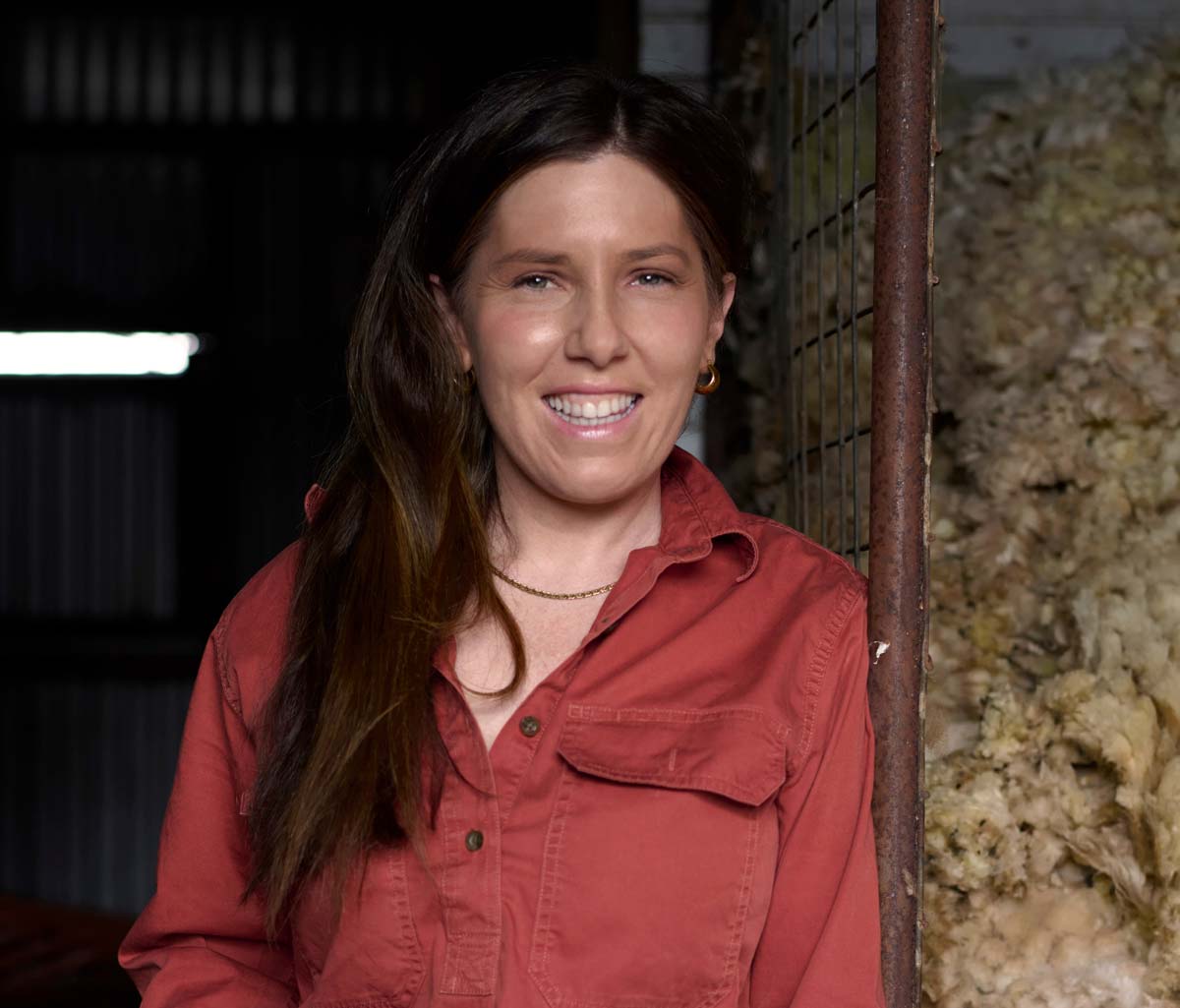


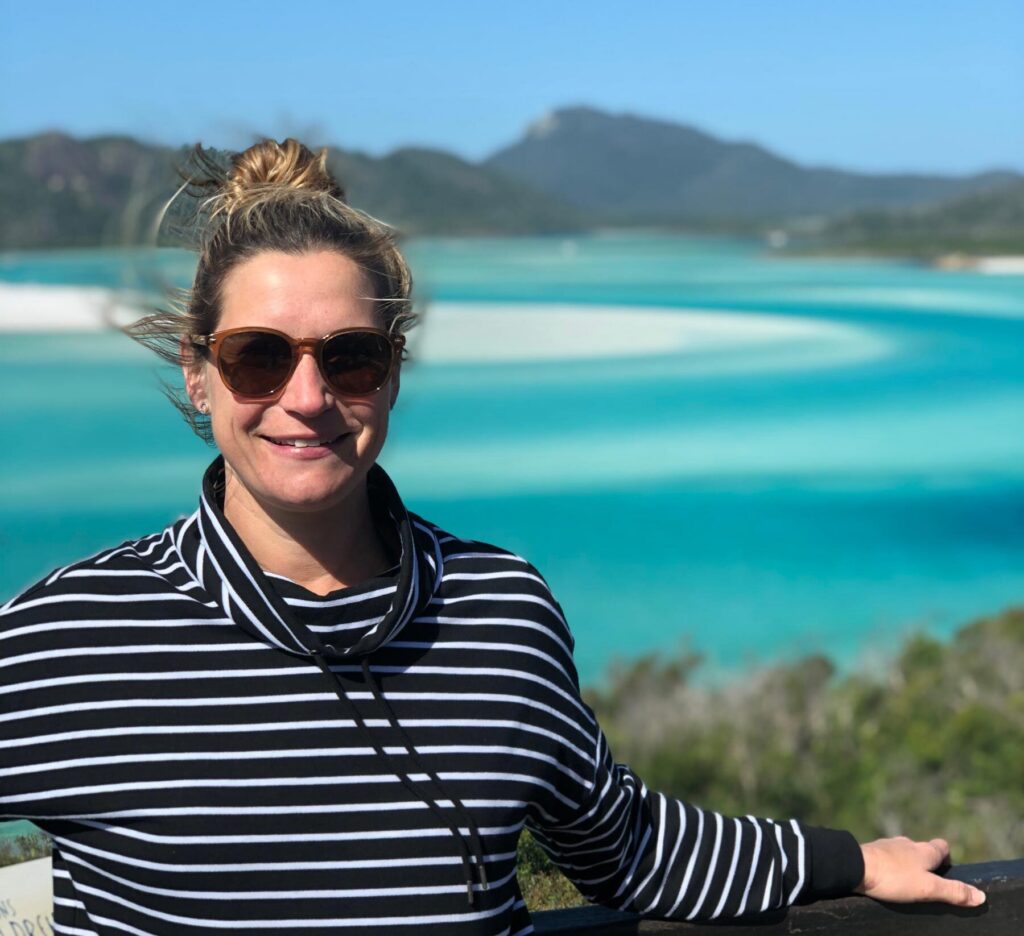
For Oaklands mum Tamara Nixon, choosing Melbourne boarding schools for her three children was never really in doubt – but preserving the country spirit at the heart of boarding still matters deeply.
Tamara Nixon knows exactly what boarding school can open up for a child because she has lived it herself.
She grew up on a station in south west New South Wales near Mungo National Park, where getting to school was no simple matter. There was the car trip to the bus, then the long bus ride into town, then the same journey home again. It was a childhood shaped by distance, long days and the practical realities that rural families know so well.
“It didn’t come easy though,” she says of those early school years. “It was a 25 kilometre car ride to the bus and then an hour on the bus. The days were really, really long.”
By Year 9, boarding school became the answer. Not because her family wanted to send her away for the sake of it, but because they could see what it would give her – more time, more opportunity and a wider world.
Now, years later, Tamara is making the same choice for her own children. She and her husband farm near Oaklands in the Southern Riverina, on his family’s sixth-generation property close to the NSW-Victorian border. Their business includes winter cereal crops and summer corn, both dryland and irrigation, and Tamara juggles farm administration with motherhood and the constant motion that comes with parenting children from afar.
Her three children all board in Melbourne. Elise is in her final year of school, Caitlin is in Year 10 and Harry, whose voice many will recognise from Letters from Home’s Nailing Homesickness series, is finding his own rhythm in Year 8 at Scotch College.
For Tamara, boarding school was always part of the plan.
“We decided on Year 7 because we felt that if we put them into one school, they’re not changing halfway through, having to make new friends and readjust their lives again.”
Like many country parents, she and her husband were guided not by sentimentality, but by what they believed would give their children the best chance to thrive. Their local central school is nearby, but the numbers are small. Around Oaklands, as in so many rural communities, questions of education are tied up with the broader reality of shrinking populations, fewer children and that familiar tension between loyalty to a local school and doing what is right for your own child.
“Nobody wants to put their own kids’ heads on the chopping block for the sake of keeping the dream alive in your small town,” Amanda says during their conversation, and Tamara agrees. She understands that guilt, but she also knows it cannot be the thing that drives a decision.
“We have enough guilt sending them away as it is,” she says. “So you’ve got to take that out of it.”
If Tamara speaks passionately about boarding, it is because she sees what it has already given her children. Confidence. Resilience. Access to city life without losing their sense of home. The ability to move comfortably in different worlds.
“I really think that giving them the opportunity, especially for my kids going to the city, we’re giving them the opportunity of having a metropolitan life, but they’re getting the best of both worlds,” she says. “They still get to come home to the farm.”
It is a simple point, but an important one. For rural families, boarding school is not about replacing a country upbringing. It is about adding to it.
Still, Tamara brings a very particular perspective to the conversation, and it is one that deserves attention. She chose Melbourne boarding schools even though she can see, clearly and honestly, that many of them are grappling with something important – how to maintain the country culture that boarding was so often built on when distance no longer keeps children in the boarding house all weekend.
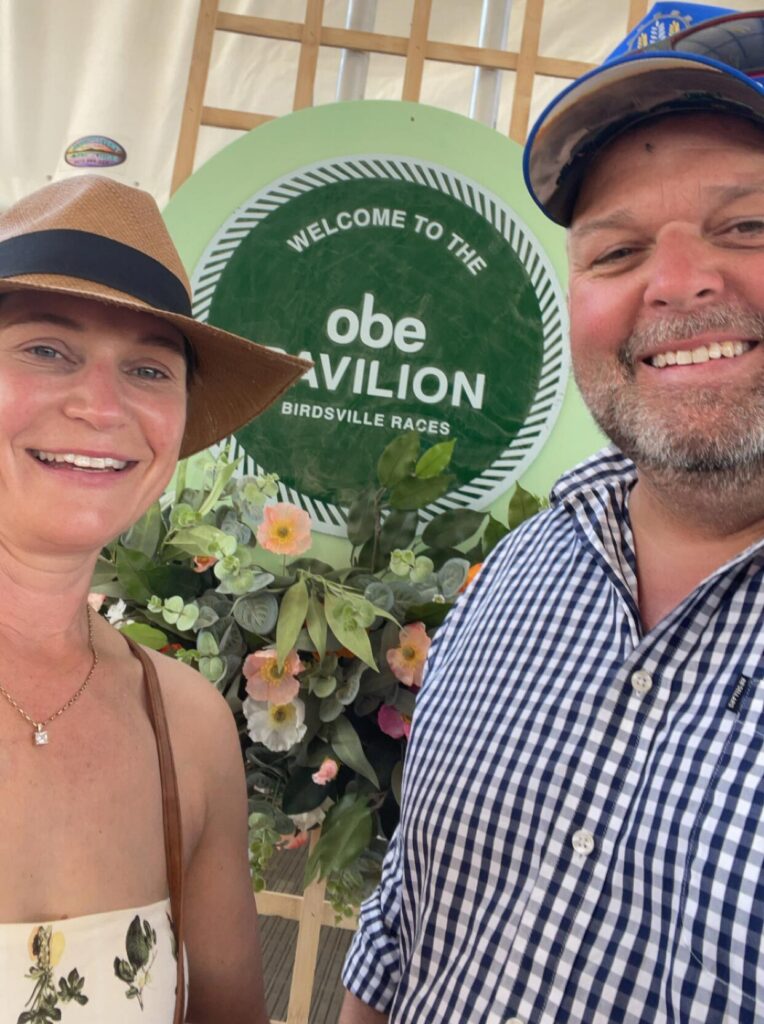
At some schools, she says, a boarding house can go from full to almost empty by Saturday night. Weekend sport remains, but students are often able to leave on Friday, stay with friends, or head home if they live close enough. In Victoria, where distances are shorter and transport is easier, that changes things.
“The girls really feel it,” Tamara says. “It’s quite isolating at times when the rest of your year level is gone and you’re the only one in your year level still there.”
That observation is at the heart of what makes Tamara’s story so compelling. She is not anti-boarding. Far from it. She believes fiercely in what boarding can offer. But she is also asking a thoughtful question about what happens when the very culture that draws rural families in begins to thin out.
“We wanted our kids to have the same experience that we had, which was that your boarding house becomes your family,” she says. “It’s a special bond. It really is.”
That bond, she explains, is different to an ordinary school friendship. It is built in the ordinary closeness of shared living. The people in a boarding house may not all be in the same friendship group, but they live side by side. They eat together, rest together, carry homesickness together and learn how to belong to one another. In the best sense, it becomes more like family than school.
Tamara is heartened, though, by the efforts schools are making. She points to initiatives like a house system within the girls’ boarding house, where girls from Year 7 to Year 12 are grouped together across age levels and share activities and responsibilities. One Sunday, they might bake cakes for Ronald McDonald House. Another time, they return for a compulsory house dinner. Teenagers may grumble, but Tamara sees the intention behind it.
“I don’t think they realise why it’s compulsory,” she says. “They’re not seeing the underlying skills that they’re trying to create.”
She also believes schools must do more to honour their rural roots in the curriculum, not just the boarding house. One of her frustrations is the lack of agriculture as a subject, particularly in city schools that proudly attract country boarders. She is encouraged by signs of change, including programs like MLC’s Marshmead, where students spend a term living and learning off-grid, cooking, cleaning, caring for animals and paying attention to the rhythms of land and water.
For Tamara, that matters. Rural students bring a kind of diversity that schools should not overlook.
“We bring so much vitality to schools because of our different background,” she says. “We do live differently to those in the city.”
The longer Tamara speaks, the clearer it becomes that her view of boarding is both practical and tender. She knows the grief of it. She knows the emotional discipline it takes to send a child away while holding your own feelings in check. She knows each child leaves a different ache behind.
“Each child has a different heartache to it,” she says. “Parents need to remember how much strength it takes for us to send our children away.”
And yet, she would still choose it.
Because when she watches her children now, she sees not just what boarding has cost, but what it has built. She sees daughters who are confident and capable. A son beginning to find his place. Children whose country roots are still strong, but whose world is larger than it would otherwise have been.
In the end, her advice to other parents is beautifully simple.
“Trust your gut,” she says. “And trust that your children, their country roots, are still going to remain strong. They’re not going to go. You’re just going to give them some city wings for a while.”
Tamara’s Top 5 Tips
- Trust your gut
When you walk into the right school, you often feel it straight away. - Choose the right fit for each child
What suits one child may not suit another, even within the same family. - Let go of the guilt
You are not sending your child away to abandon your community. You are trying to give them opportunity. - Remember that boarding is a family transition
Homesickness and change are not only for the child. Parents and siblings feel it too. - Hold tight to their country roots
A city education does not erase where they come from – it simply broadens their world.