


Good Morning, Katie!
Can you tell us a bit about your family, where you live, and what life looks like in Cootamundra?
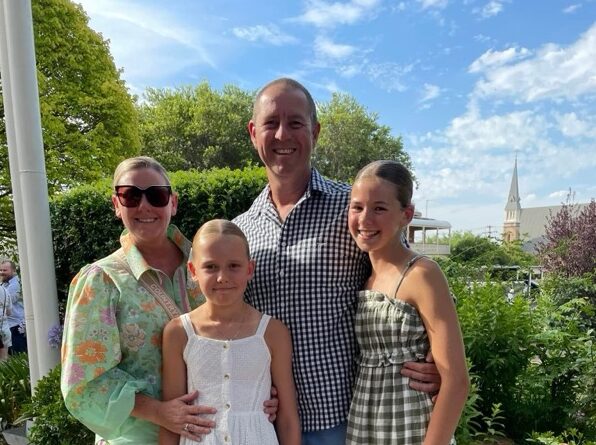
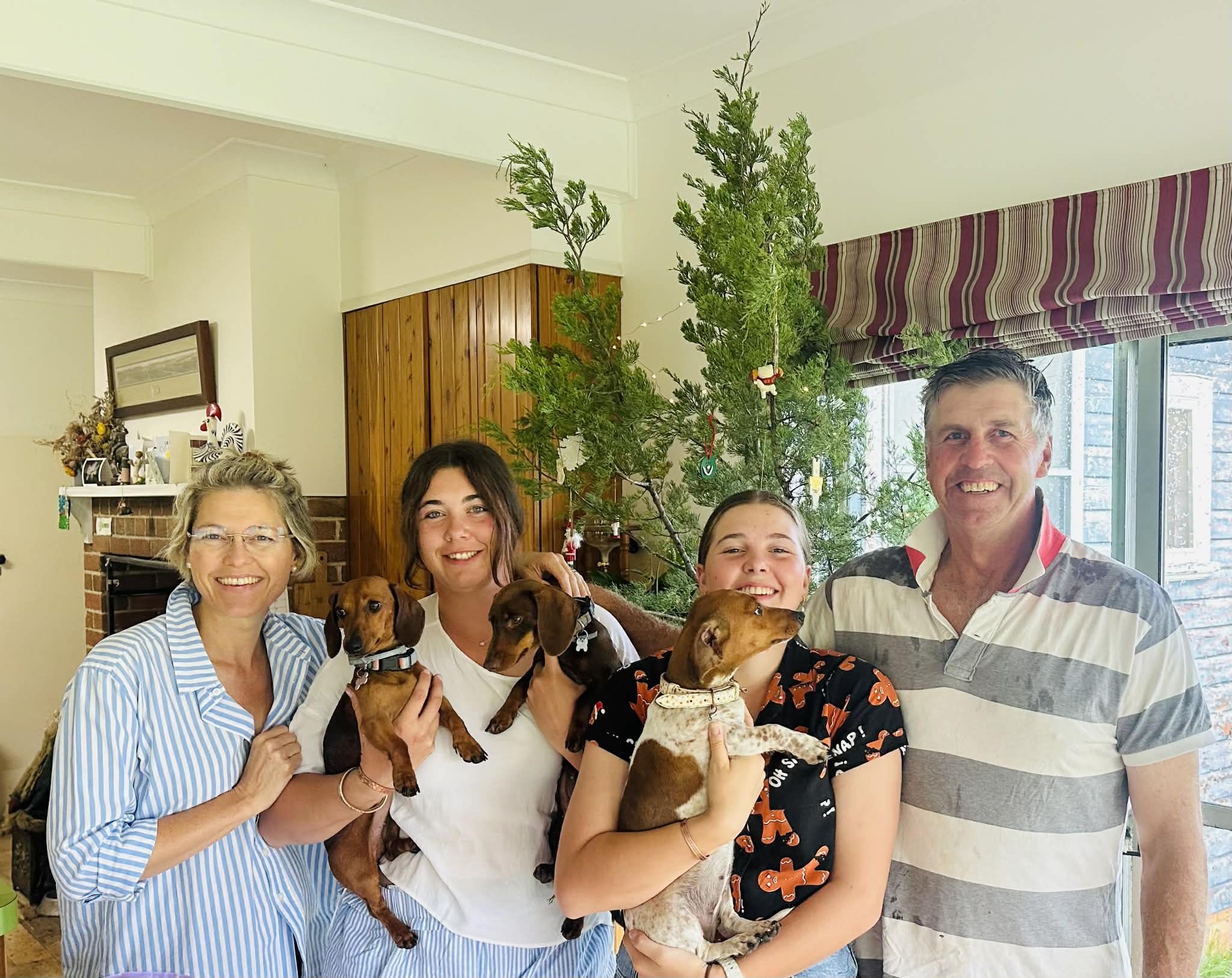
My husband, Jim, and I live on a farm about 12km south‑east of Cootamundra with our three daughters – Polly (20), Mabel (18) and Violet, who we all call Lettie (16). Jim runs his own livestock advisory business, JM Livestock, and I teach secondary at the local Catholic school. I was born here, and everything about this place feels like home. Cootamundra is a beautiful rural town, just four hours south of Sydney, surrounded by rolling hills and rich farming country. We’re lucky enough to experience all four seasons in their full glory. The sense of community here is incredibly strong – people genuinely show up for one another. My parents, along with my brother and his family, live locally and run our family farm. Being so close to family has created a deep sense of belonging for all of us.
What is it like raising three girls in a rural community, and how has the country shaped who they are?
I honestly can’t imagine raising my children anywhere else. We’ve lived in a few regional towns over the years – starting in Cootamundra, then moving to Armidale and Wagga before eventually returning home. Each move shaped the girls in different ways. Growing up in the country has taught them the value of community, the resilience needed to make new friends, and the importance of staying connected. They’ve learned to adapt, to pitch in, and to appreciate the relationships that come with small‑town life.
With three daughters at boarding school, what made boarding feel like the right choice for your family?
With both Jim and I working full-time and the girls heavily involved in sport, our afternoons and evenings were packed. There was very little time left for homework or downtime. Boarding offered the structure and routine they needed to balance academics with their extracurricular commitments. All three girls are social, confident, and eager to embrace new opportunities. We knew boarding would broaden their horizons beyond what a small country town could offer. They thrive on challenge and new experiences, and boarding has given them exposure to different perspectives, cultures, and ways of thinking.
Was boarding always part of your long-term plan, or did the decision evolve as your girls grew older?
Yes and no. Boarding is a significant financial commitment, so it wasn’t always something we assumed would be possible. But because both Jim and I boarded from Year 7, we understood the benefits. As the girls grew older, it became clear that boarding would give them the best opportunities. We visited several schools before choosing Kincoppal-Rose Bay, and Polly led the way – with Mabel and Lettie following in her footsteps. The girls often tell us it was the best decision for each of them, and we feel incredibly grateful that they feel such a strong sense of belonging at KRB.
As a teacher, how does your professional lens influence the way you support your girls through school and boarding life?
If anything, being a secondary teacher has made me a little less reactive when issues arise. I know there’s always a student perspective and a teacher perspective – and they don’t always align. I probably lean toward the teacher’s view more often than my daughters would like! When it comes to friendships or homesickness, my biggest advice is simple: let them vent. Listen, nod, empathise – even if you don’t fully agree. In that moment, they need to feel heard. If they’re met with resistance, they’ll stop opening up.
Do you think being in education has helped you understand the boarding experience differently?
It’s less about being an educator and more about having been a boarder myself. I loved my own boarding experience. Whenever I see old school friends, I’m instantly transported back to such a fun, carefree time. I wanted my girls to have that same sense of connection and joy – and they absolutely have.
Can you remember what it felt like when your first daughter went off to boarding school?
There was so much excitement – and far too much planning. Polly and I still laugh about how we started packing two months early. In hindsight, all that anticipation probably made her more nervous. Those first few weeks were huge for all of us. We analysed every bit of information we received. Weeks 4–6 were the hardest for each of the girls – once the first visit is over, reality sets in for them and for you.
How did that compare to watching your youngest head off – does it get easier, or does it change in different ways?
The contrast was honestly comical. Lettie was packed in a day, and when we arrived in Sydney I realised I’d forgotten half her things and had to dash to Bondi Junction! She couldn’t wait to get there. After years of visiting her sisters and already knowing many of the girls, she hit the ground running. She’s about to start Year 11 and is absolutely loving her time there.
How have each of your girls grown individually through their boarding journeys – are there differences you’ve noticed in their resilience, independence or confidence?
Absolutely – in every way. They’ve each grown into fiercely independent young women. Jim and I, and our whole family, couldn’t be prouder. KRB has taken three country girls and equipped them with everything they need to thrive. They’re resourceful, empathetic, compassionate, ambitious, creative, and capable problem‑solvers. They’ve also faced tough moments, including grief, and the KRB community supported them – helping them grow even stronger.
What moments make you most proud when you reflect on their boarding years so far?
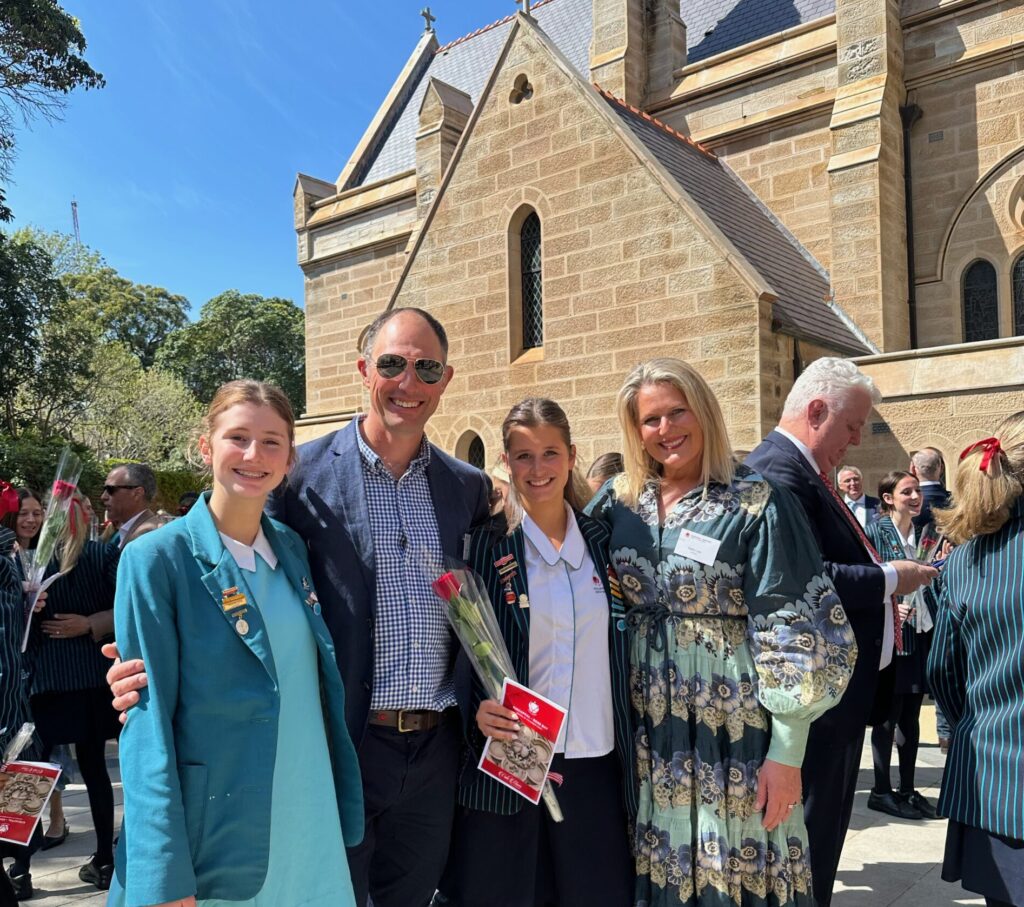
There are so many. Hearing them say ‘it is all worth it’. Watching them run into their friends’ arms after a day apart. Mabel being appointed Head of Stuart House for 2025. Polly receiving the Boarding Award for her contribution to the boarding community in 2021. Lettie’s art and textiles pieces displayed around the school. But honestly, it’s the everyday moments – seeing them navigate challenges and come out stronger – that make me proudest.
How do you best stay connected to your girls during busy boarding weeks? Are there other ways other than phone calls that help you stay connected?
They introduced me to Snapchat a few years ago, and it’s been brilliant. We love a FaceTime catch‑up, and we’re always sending each other funny reels. Our family group chat gets absolutely hammered during term time – it keeps us laughing and connected.
January is a big month of preparation – what are your go-to tips for packing for boarding school?
I’d love to say “less is more”, but that’s rarely the case! Every school has different linen requirements, so check those first. Look into textbook and workbook lists early – many NSW schools use Box of Books, and deliveries can take weeks in January. Casual slides, basic shorts and tees, and a good mattress protector are essentials. Bring a few home comforts, but keep them minimal – most schools move rooms each term.13.
Do you have any unique rituals, items, hacks or traditions that make the packing or settling-in process easier or more special for your girls?
The idea of not contacting them in the first few days has never made sense to me. They need to know you’re there. Text, call – whatever helps them settle. Schools keep them very busy early on, which helps. But I do recommend avoiding visits in the first couple of weeks. They need that time to form friendships and find their feet.
What advice would you give to parents who are sending multiple children to boarding school, or doing it for the first time this year?
It’s absolutely fine to stay in budget accommodation and bring pre‑cooked meals from home. Don’t take it personally if your child wants to duck off to see friends when you visit – that’s part of the experience. Managing younger children at home is tough, so don’t be hard on yourself. Jim and I often took turns going to Sydney because of sport commitments. You’re not alone – it’s a juggle for everyone. Plan visits a term ahead using the school calendar, but don’t feel pressure to attend everything. Ask other parents or your class rep which events matter most.
Thank you Katie for your time!