

The Coastal Family Challenging Boarding School Stereotypes
Some families grow up expecting boarding school to be part of their children’s future.
Katie Toney’s family didn’t.
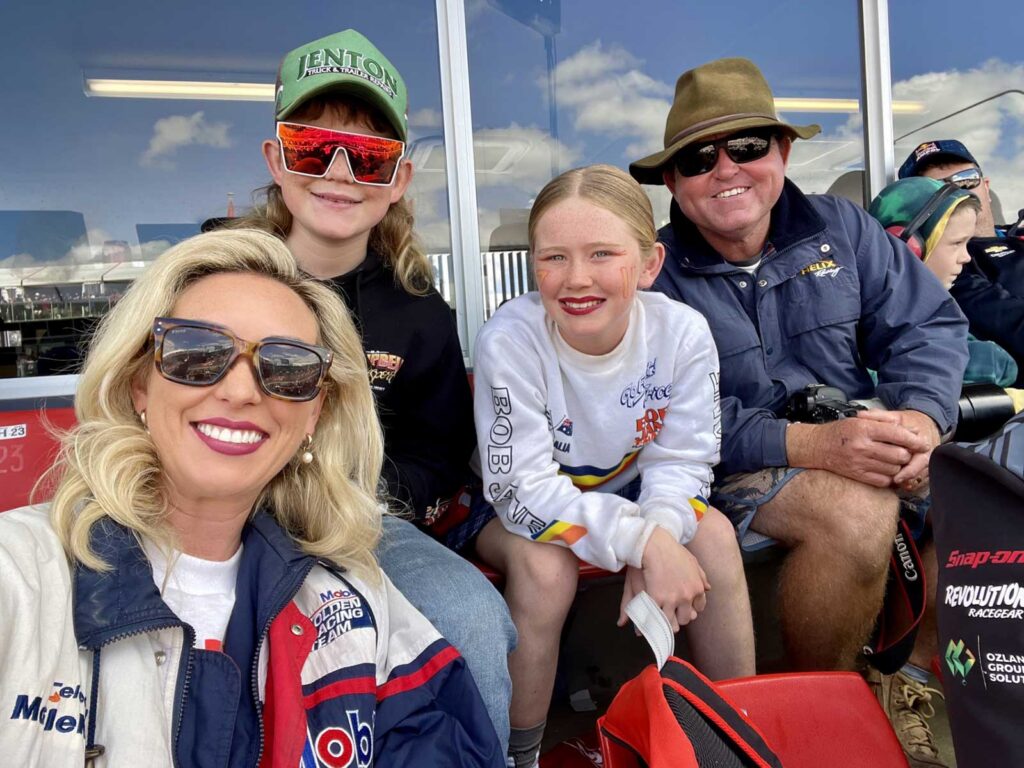
When Katie and her husband Dan left careers in television journalism to run a holiday park in the tiny coastal community of Seal Rocks, they thought they’d found exactly where they wanted to raise their children. It was a slower way of life. A close-knit community where everyone knew each other, children rode bikes to the local shop and dolphins and turtles were part of everyday life.
It felt like home. Albeit a home that was just like paradise.
What they hadn’t anticipated was how difficult the high school years would become.
Although Seal Rocks sits on the New South Wales coast, the family’s educational challenges were surprisingly similar to those faced by many rural and remote families. Long bus trips, limited school options and a growing feeling that their children needed access to more than could be offered locally left Katie and Dan facing an unexpected question.
Do we leave the community we love, or is there another way?
Boarding school wasn’t part of their story. Neither of them had boarded. They knew very little about it and, like many Australian families, they carried plenty of assumptions about who boarding school was really for.
The turning point wasn’t a brochure or an advertisement.
It was conversations.
First with guests staying at their holiday park. Then with families while temporarily living at Lake Keepit in north-west New South Wales, where boarding school was simply part of everyday life. Parents openly shared their experiences, encouraged questions and helped Katie and Dan realise there were opportunities they had never considered.
Those conversations gave them the confidence to start asking questions of their own.
Today, their son Fletcher and daughter Grace are thriving at The Armidale School, and Katie describes the decision as one of the best they’ve made as parents.
What I loved most about our conversation wasn’t simply hearing how well the children have settled. It was Katie’s honesty about carrying guilt over those first years of high school, wondering if she’d recognised the signs sooner, and her reminder that parenting isn’t about always getting it right. It’s about being willing to learn and make changes when you know your children need something different.
Perhaps the most powerful part of Katie’s story is what is happening back in Seal Rocks.
Other young families are watching.
They’re asking questions. They’re starting conversations. They’re beginning to realise that boarding school isn’t only for wealthy families or children from remote cattle stations. Sometimes it’s simply another way of giving children access to opportunities while allowing families to continue living and working in the communities they love.
Katie’s story is a reminder that one conversation can change a family’s thinking.
And sometimes, one family’s courage gives others permission to imagine a different future too.
 Apple Podcasts
 Spotify